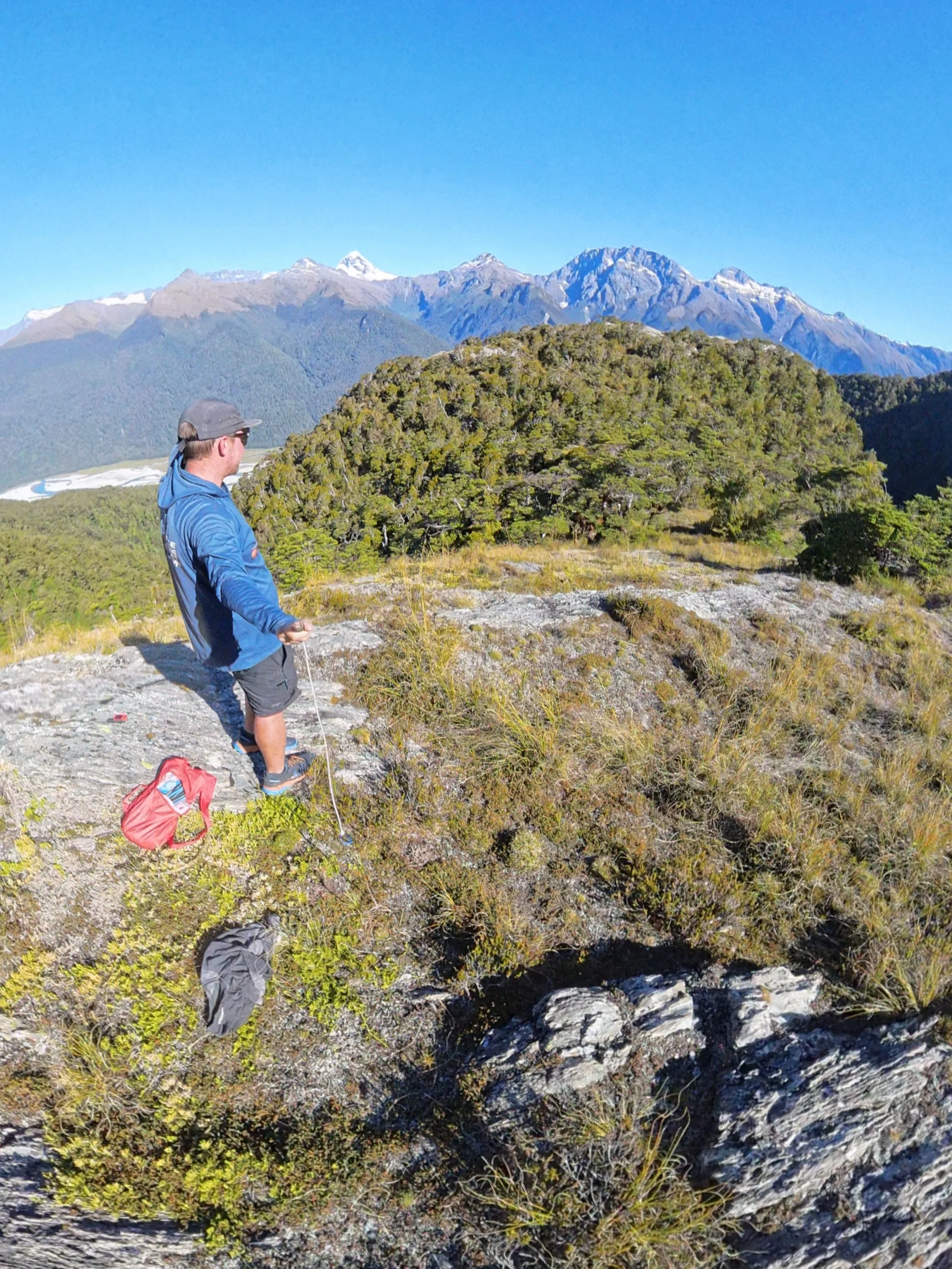
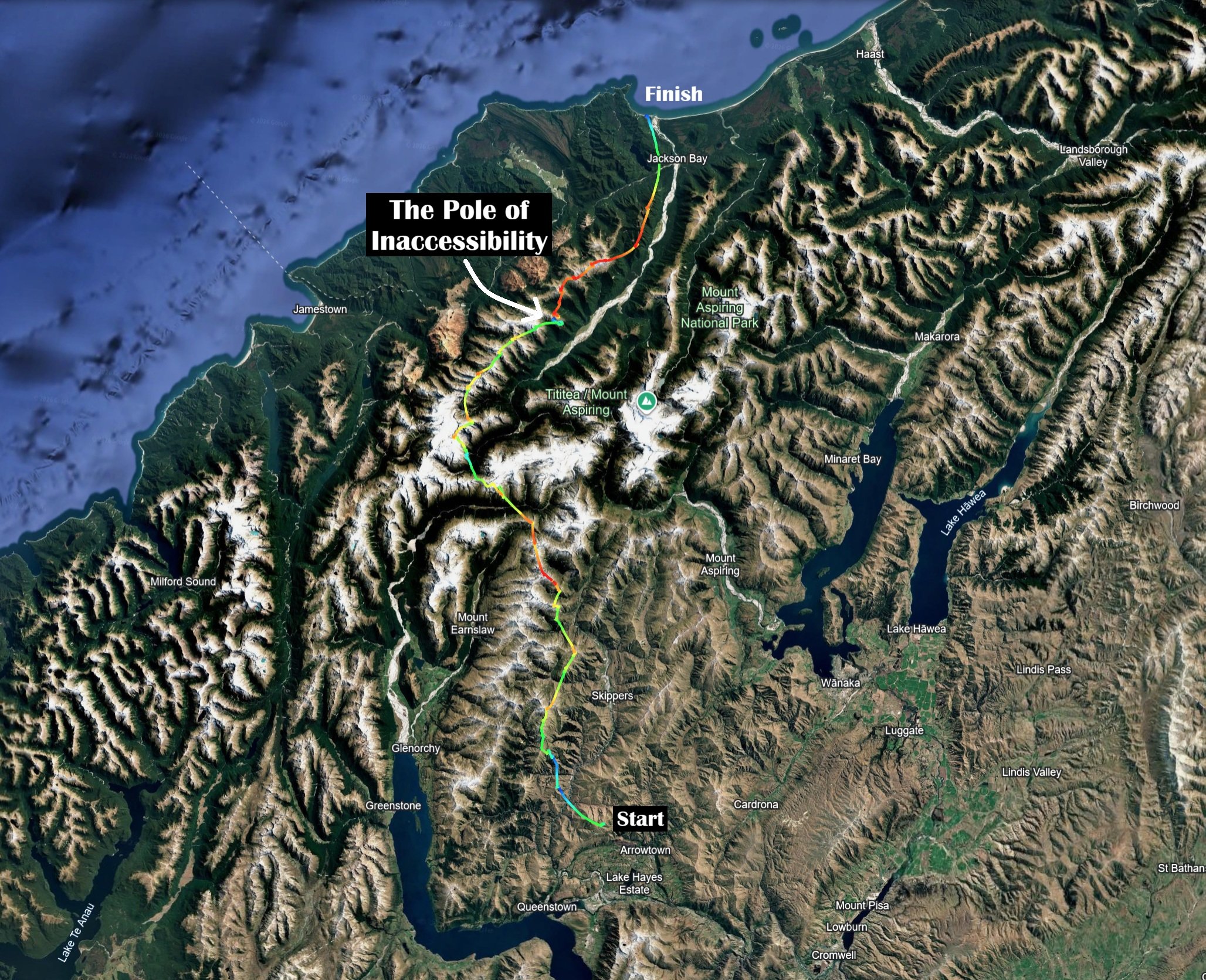
Deep in New Zealand’s Southern Alps lies a point so remote it has almost never been reached. Known as the Pole of Inaccessibility, it is the place furthest from any road or coastline in the country. Reaching it on foot takes huge physical effort over several days through some of the most unforgiving terrain in the country.
But what if you could fly there?
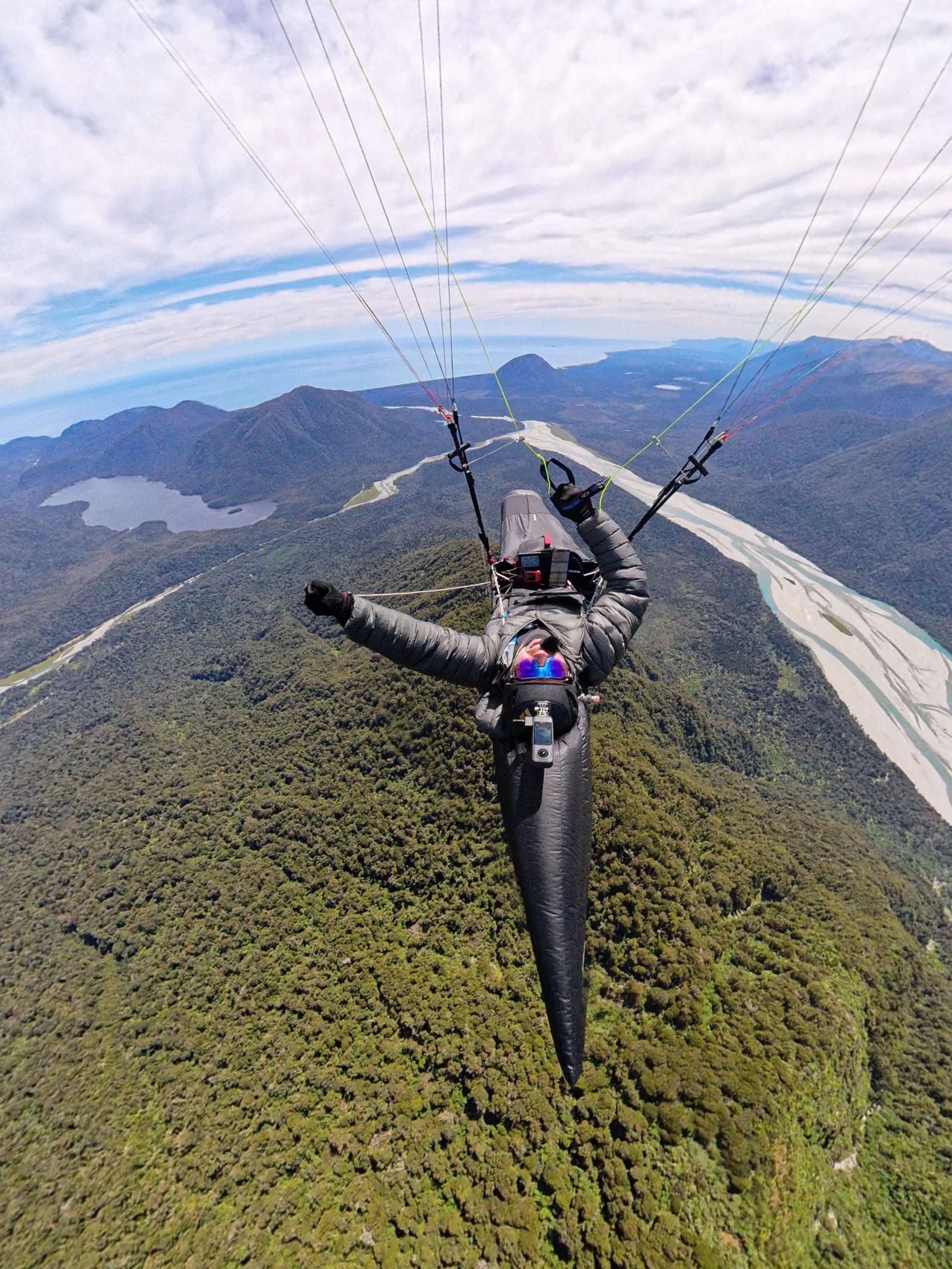
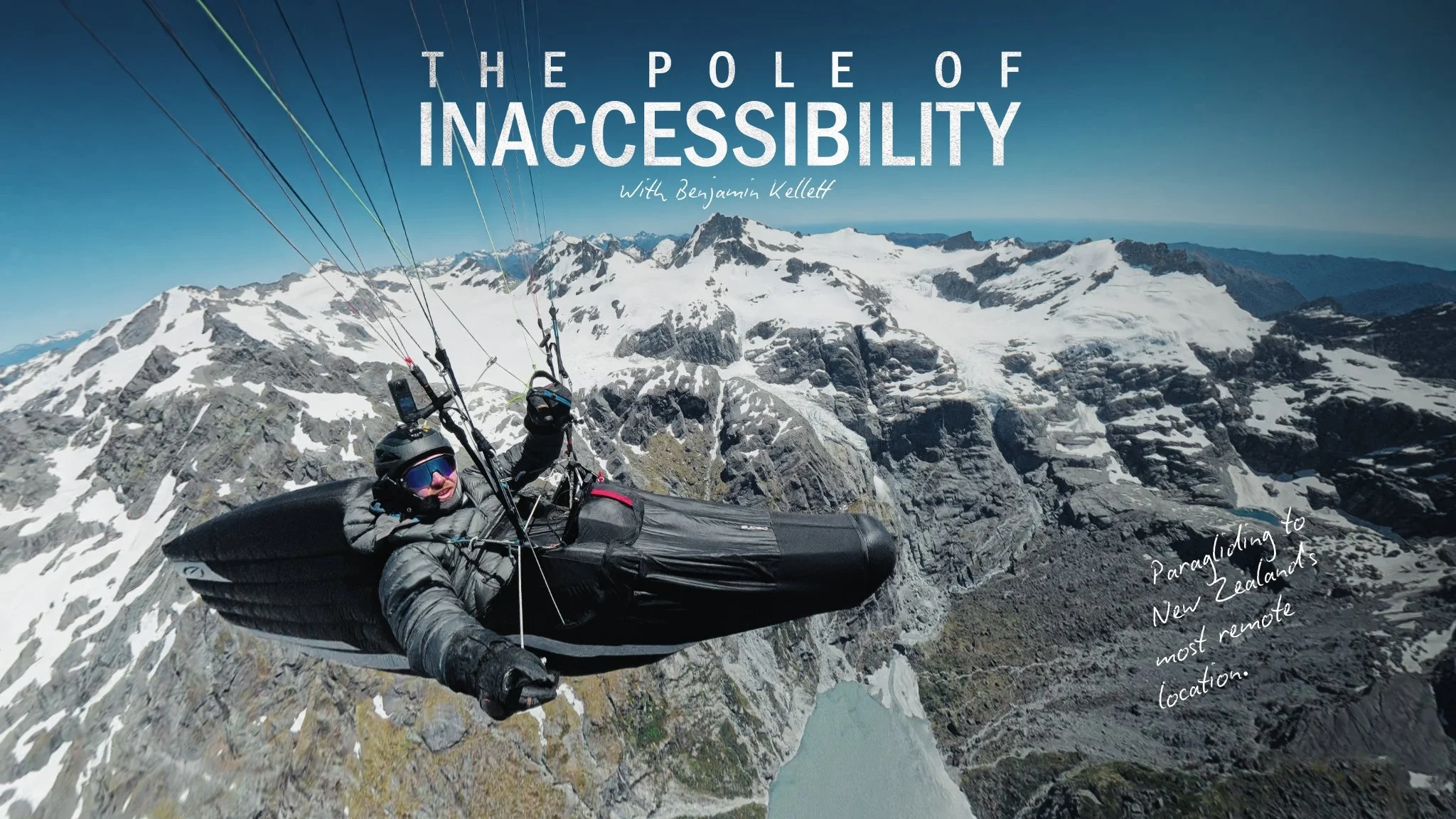
In this film, paraglider pilot Benjamin Kellett sets out to do exactly that. Using nothing but wind, weather, and instinct, he launches into the mountains on a multi-day bivouac flight, navigating across the Main Divide, over glaciers, and through vast, untouched landscapes rarely seen from above.
Battling shifting conditions and the mental weight of true isolation, the journey becomes more than just a physical challenge. It is an exploration of what it means to access the inaccessible, to move through wild places in a way that leaves no trace, and to rely entirely on the sky to guide the way.
After reaching the Pole of Inaccessibility and spending a night alone in its silence, the final question remains: can he make it back out?
This is a story of flight, freedom, and redefining what is possible in the mountains.
Filmed during the New Zealand summer of 2026, The Pole of Inaccessibility follows an expedition into one of the country's most remote mountain landscapes. The film premiered at the New Zealand Mountain Film Festival, where it received the Spirit of Adventure Award, and was later featured on RNZ's Nine to Noon. It has also been selected for screening at the Coupe Icare International Free Flight Film Festival.
The film is currently available exclusively through the NZ Mountain Film Festival website.
Directed by Danny Warley and edited by Ned Barrington
Why I Made This Film
Paragliders are often thought of as a way to fly, but to me they are much more than that. They are a tool for exploration.
The idea behind The Pole of Inaccessibility was to show how free flight can completely change the way we experience the mountains. Places that would normally require days of exhausting hiking, difficult climbing, or may never be visited at all can become accessible using nothing more than wind, weather, and good decision making.
Rather than conquering the landscape, a paraglider allows you to work with it. You become part of the environment, reading the terrain and atmosphere to travel through it in a way that feels almost impossible.
This expedition wasn't about reaching a point on a map. It was about demonstrating what is possible when human skill, lightweight equipment, and the forces of nature come together. I hope the film inspires people to see paragliding not just as a sport, but as one of the most remarkable tools for exploration ever created.